What is backlink and indexing optimization automation?

You are competing in a world where discovery happens on classic search engines and on conversational assistants powered by large language models. That is why backlink and indexing optimization automation has become a strategic lever for brands, publishers, and marketing teams that must scale results without scaling complexity. Instead of handling prospecting, outreach, internal linking, sitemap hygiene, structured data, and performance checks by hand, you systematize them into reliable workflows. As a result, your best pieces are discovered, crawled, and cited quickly across search engine results pages and by large language model responses in tools like ChatGPT and Gemini. If you have felt the pain of volatile rankings, slow indexing, or inconsistent link acquisition, you are not alone—and you do not have to fix it manually.
What is backlink and indexing optimization automation?
Backlink and indexing optimization automation is the practice of using software and playbooks to systematically earn, manage, and keep high-quality links while also speeding up and safeguarding discovery, crawling, and indexing. On the backlink side, automation helps you identify link opportunities, support link reclamation for broken or lost links, detect unlinked brand mentions for manual follow-up, and strengthen internal links so that authority flows efficiently. On the indexing side, automation ensures sitemaps are always current, canonical tags are correct, structured data is valid, robots rules are sensible, and content is actively surfaced to search engines and large language model or AI (artificial intelligence) assistants. Done right, it is ethical, transparent, and human-led; automation does the repetitive work while you set the strategy, messaging, and quality standards.
Practically, this approach unites digital public relations, content operations, and technical safeguards in a single pipeline. It can monitor new and changed pages, suggest anchors based on semantic context, publish to your content management system with clean structured data, and watch for deindexation or visibility drift across channels. It can also surface opportunities for external citations and provides access to a backlink exchange/network and alerts for link issues; however, actual outreach and third‑party link placements are managed by your team or external partners, not executed directly by the platform. It is not about buying links or spamming pings. Rather, it is about dependable systems that help you earn legitimate citations, keep your site crawlable, and get included in search engine features and large language model answers. Platforms like SEOPro AI bring these parts together with an AI-first experience, so teams can produce SEO (search engine optimization) ready content at scale, embed brand signals that encourage mentions by large language models, and keep pages findable as algorithms evolve.
| Area | Key Tasks | Automation Examples | SEOPro AI Capability |
|---|---|---|---|
| Backlink Earning | Link reclamation, backlink exchange participation, internal linking support | Broken link detection, backlink credit management, network placements | Playbooks and checklists for content promotion, backlink exchange access, link reclamation alerts |
| Internal Linking | Anchor text selection, hub-to-spoke linking, orphan page cleanup | Semantic suggestions, topic clustering maps, link insertion queues | Internal linking and topic clustering tools with AI-assisted recommendations |
| Indexing Readiness | Sitemaps, canonical tags, robots directives, structured data | Auto-generated sitemaps, validation checks, schema guidance | Schema markup guidance to win features and Google Overviews with continuous validation |
| Publishing | Drafting, approvals, multi-channel posting | One-time integration, scheduled publishing, snippet generation | CMS (content management system) connectors for one-time integration and multi-platform publishing |
| LLM Visibility | Brand mentions in assistant answers | Signal embedding and content cues | Hidden prompts embedded in content to trigger AI or large language model brand mentions |
| Monitoring | Coverage, rank, link health, visibility drift | Threshold alerts, anomaly detection, trend dashboards | AI-powered content performance monitoring to detect ranking or large language model drift |
Why does it matter today?
Speed and consistency win. Industry analyses often show that the majority of pages never receive organic visits, largely because they are under-linked, poorly linked internally, or discovered too late to capture momentum. When you automate the discovery and identification of relevant citation opportunities and fix internal pathways that search engines use to traverse your site, you help great content rank sooner and more durably. Moreover, assistants powered by large language models are increasingly citing sources in answers, so being indexable, trusted, and easy to quote now impacts both traffic and assisted conversions. In short, automation moves you from a reactive cadence to a predictable pipeline that compounds authority.
Watch This Helpful Video
To help you better understand backlink and indexing optimization automation, we've included this informative video from Adam Enfroy. It provides valuable insights and visual demonstrations that complement the written content.
There is also risk management. Manual routines break when teams change or calendars get busy, and small technical mistakes—like incorrect canonical tags or stale sitemaps—can quietly stall new pages for weeks. Similarly, link reclamation is time-sensitive; if you do not detect a lost citation quickly, it tends to disappear for good. By codifying workflows and giving them a home in a platform, you reduce human toil and catch issues before they turn into traffic declines. SEOPro AI layers in prescriptive playbooks, internal linking strategies, and schema patterns proven to win search engine results page features and support visibility in Google Overviews, while also adding content cues that increase the likelihood of brand mentions by large language models.
| Challenge Without Automation | Impact | Benefit With Automation |
|---|---|---|
| Inconsistent link outreach | Authority stagnates, rankings stall | Steady, relevant citations from repeatable campaigns |
| Slow or partial indexing | Missed launch windows and demand spikes | Faster discovery through clean sitemaps and internal paths |
| Orphan and thin pages | Poor crawl coverage, diluted signals | Automated hub-and-spoke internal linking and pruning |
| Ranking and large language model drift | Visibility erodes across channels | Alerting and fixes guided by data and playbooks |
| Manual publishing steps | Delays and inconsistent formatting | One-time integration to publish broadly with consistent schema |
How does it work end-to-end?
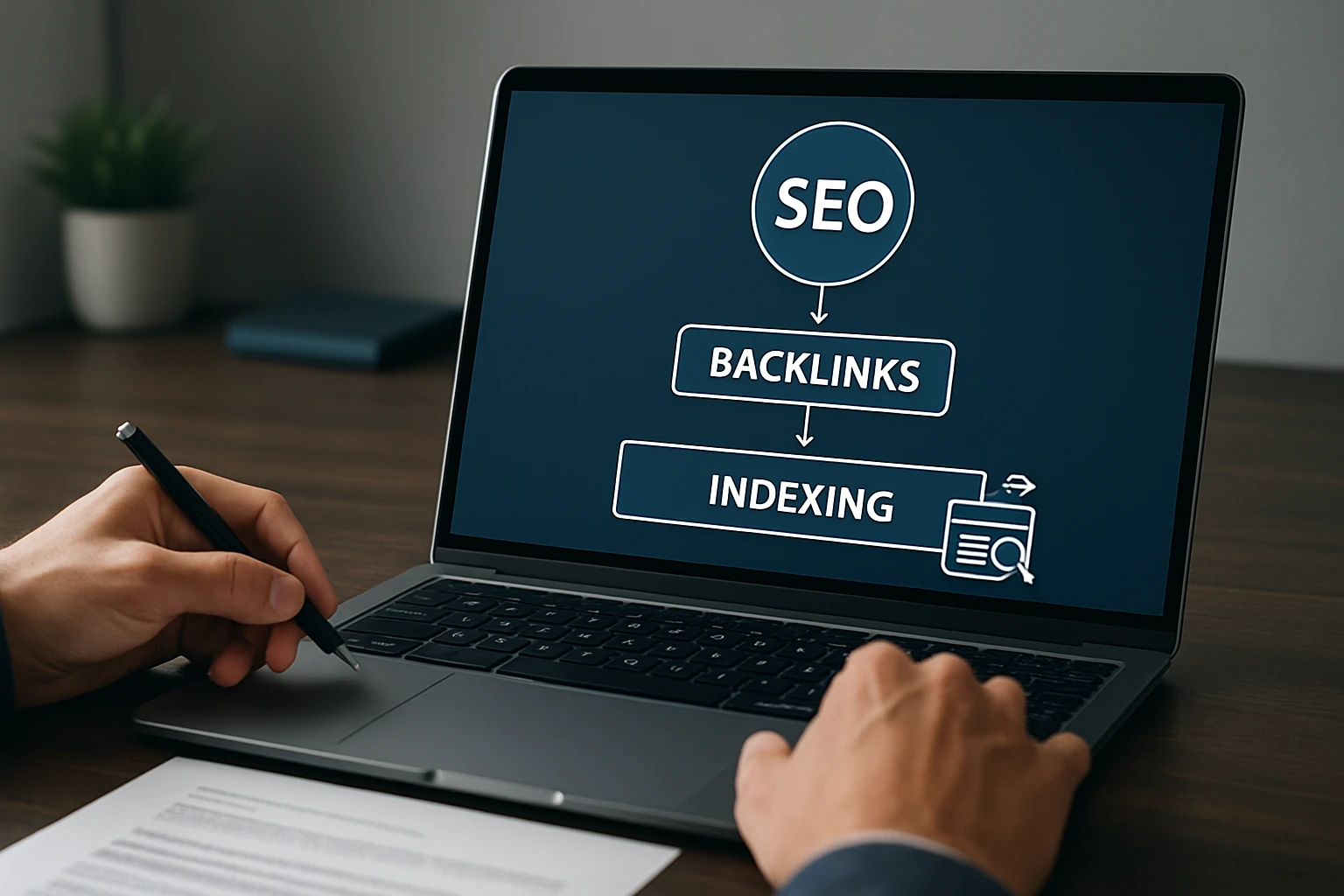
Think in terms of a pipeline: plan, produce, publish, promote, and prove. First, you define the topical map and authority hubs, then you generate content that fills the gaps and links logically across the map. Next, you publish with structured data, submit sitemaps, and verify canonical paths so search engines and assistants can parse entities and relationships. Meanwhile, the platform surfaces prioritized opportunities and flags unlinked mentions for manual conversion; outreach execution remains the responsibility of your team or partners. Finally, you monitor indexing coverage, ranking stability, assistant citations, and link health, and you iterate weekly. SEOPro AI operationalizes this with an AI blog writer, content automation templates, internal linking and topic clustering tools, schema markup guidance, and LLM (large language model) SEO (search engine optimization) tools to optimize content for ChatGPT, Gemini and other AI agents. You connect once to your CMS (content management system) and publish everywhere while embedding subtle cues that make your brand quotable by large language models.
- Audit the baseline: assess link profile quality, internal linking, structured data coverage, and crawl logs.
- Build a topical authority map: define hubs, spokes, and supporting pages that deserve links.
- Create content: use the AI blog writer and semantic checklists to cover entities and questions thoroughly.
- Automate internal links: insert semantically aligned anchors that pass authority to key pages.
- Harden indexing: refresh sitemaps, validate structured data, and check robots and canonical tags.
- Prepare outreach: prioritize relevant publications for digital public relations and generate templates or suggestions; outreach execution is handled outside the platform.
- Reclaim and protect: catch broken backlinks, fix 404s with redirects, and identify unlinked mentions for manual conversion.
- Embed signals for large language models: add hidden prompts and brand cues that encourage assistant citations.
- Publish broadly: use connectors to syndicate to multiple properties while keeping canonical sources clean.
- Monitor and adapt: detect ranking or large language model drift and correct with playbook-driven actions.
Consider a mid-market software brand that launched a new product area with 25 supporting articles. Before systematizing, only a third of pages were indexed within a week, and few earned citations. After rolling out SEOPro AI’s pipeline, the team linked hubs to spokes automatically, fixed schema issues, and prepared outreach for relevant trade publications. Indexing time dropped from roughly ten days to under forty-eight hours for most pages, and the program captured two new search engine results page features within a month. Most notably, the brand began appearing as a cited source in assistant answers for several core queries, reinforcing topical authority in both classic search and conversational experiences.
What common questions come up?
- Is automated link building safe? Yes, when it means scaling ethical outreach, link reclamation, and internal linking—not buying links or using deceptive schemes. Automation should assist humans, not replace judgment.
- How fast will my pages index? It varies by site reputation and crawl efficiency. With clean sitemaps, strong internal paths, and early citations, new pages often index within hours to a few days.
- Does pinging or submission guarantee indexing? No. Search engines and assistants choose what to index. Focus on technical correctness, internal links, and credible citations that signal value.
- Can I use the Google Indexing application programming interface for all pages? Google limits its Indexing application programming interface to specific content types like jobs and live streams. For general content, rely on sitemaps, internal linking, and authority.
- What counts as a quality backlink? Relevance, authority, and editorial intent. Aim for genuine coverage and references from publications, partners, and communities your audience trusts.
- How do large language models decide which sources to cite? Assistants favor clear, trustworthy, and well-structured sources that answer intent thoroughly. Entities, sections, and citations you add help models extract and attribute.
- What if I operate in a niche with few link prospects? Double down on internal linking, partnerships, community publications, and unlinked mention identification for manual conversion. Quality over quantity still compounds.
- Which metrics prove progress? Track time to first index, coverage of new pages, number and quality of referring domains, internal link depth to key pages, assistant citations, and conversions attributable to organic visits.
| Metric | What It Measures | How to Track | Healthy Signal |
|---|---|---|---|
| Time to First Index | Discovery and crawl efficiency | Check search engine cache dates and indexing reports | Hours to a few days for new posts |
| Coverage of New Pages | Percent of launched pages in the index | Indexing reports and site search operators | Over eighty percent within two weeks |
| Referring Domain Quality | Relevance and authority of new citations | Backlink intelligence tools and manual spot checks | Fewer but highly relevant publications |
| Internal Link Depth | Clicks from home page to key assets | Site crawlers and navigation audits | Two to three clicks to primary hubs |
| Assistant Citations | Mentions by large language models | Prompt testing and monitoring tools | Growing presence on priority topics |
How does SEOPro AI solve the scale and stability problem?

SEOPro AI provides an AI-first platform that aligns strategy, execution, and measurement in one place. For creation, you get an AI blog writer guided by semantic content optimization checklists and playbooks to cover entities, questions, and evidence that win trust. For publishing, you connect once to your content management system and push to multiple properties while keeping canonical sources and structured data consistent. For promotion, you use content automation pipelines to identify link opportunities, support link reclamation, and implement AI-assisted internal linking strategies and implementation checklists that lift hub pages. Finally, for resilience, you use AI-powered content performance monitoring to detect ranking or large language model drift, with prescriptive actions to course-correct before traffic declines become visible in dashboards.
Where assistants are concerned, SEOPro AI adds responsible signal embedding: hidden prompts and brand cues within content that increase the likelihood of being cited by large language models without misleading users. Combined with schema markup guidance tuned to win search engine results page features and Google Overviews, the platform raises your probability of being surfaced wherever your audience searches or asks. The net effect is a durable content engine: pages are created against a plan, published with stable structure, promoted with tools and guidance to support ethical outreach, interlinked to pass authority, and monitored so visibility remains steady even as algorithms and assistant behaviors change.
What is the takeaway?
Automation turns link earning, internal linking, and indexing from manual chores into a dependable engine that compounds authority across search engines and conversational assistants.
Imagine your next launch going live with clean schema, instant internal paths, early citations, and credible signals that assistants recognize and quote—before competitors even notice. In the next twelve months, that operational edge is likely to separate leaders from everyone else.
What would your roadmap look like if you built it around repeatable playbooks for backlink and indexing optimization automation, instead of firefighting one post at a time?
Advance Backlink and Indexing Automation with SEOPro AI
Scale backlinks and indexing using SEOPro AI’s LLM (large language model) SEO (search engine optimization) tools for ChatGPT, Gemini, and AI (artificial intelligence) agents, automating creation, schema, and internal links.
Start Free Trial