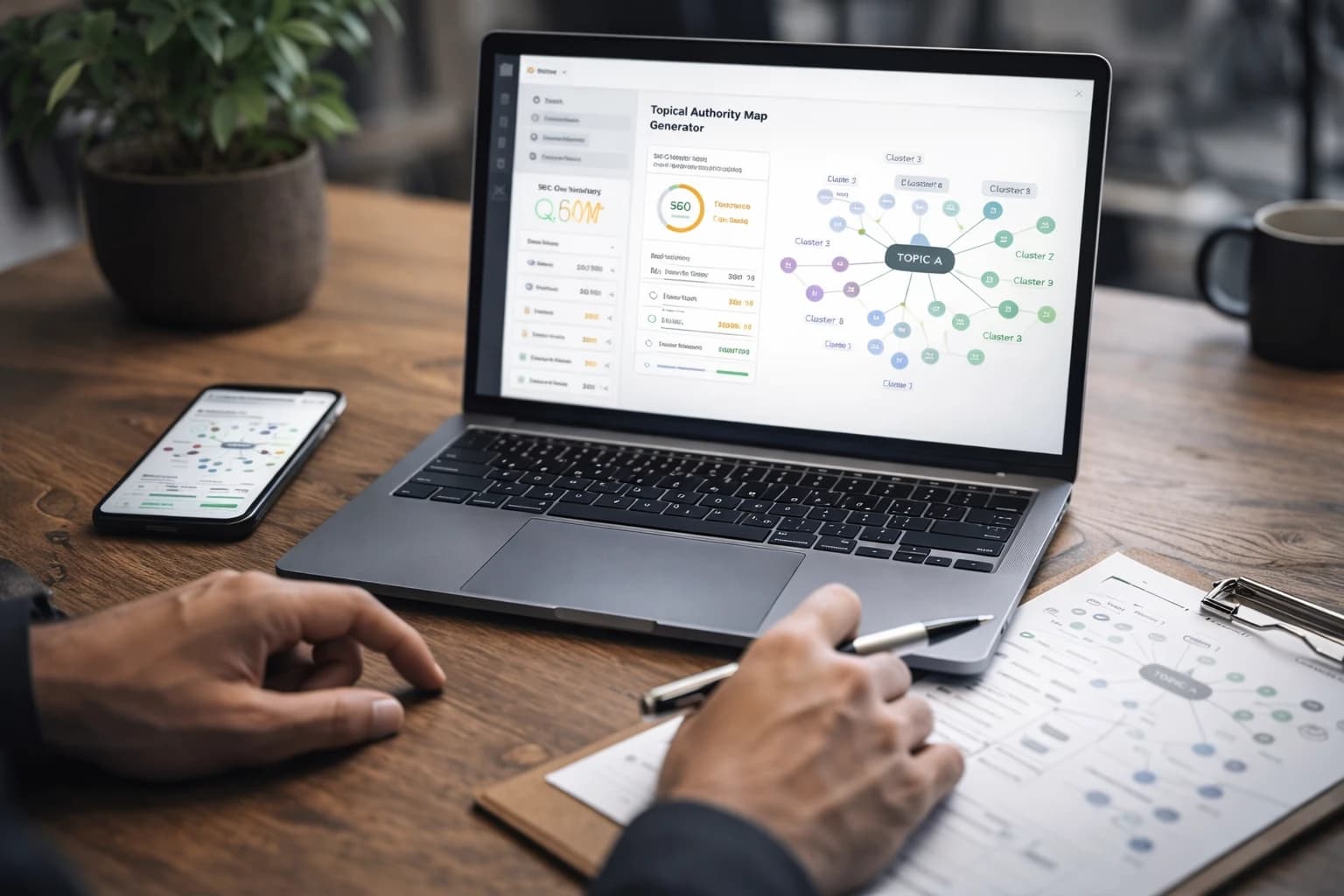
9 Zero-Click SERP Optimization Plays to Capture Rich Results
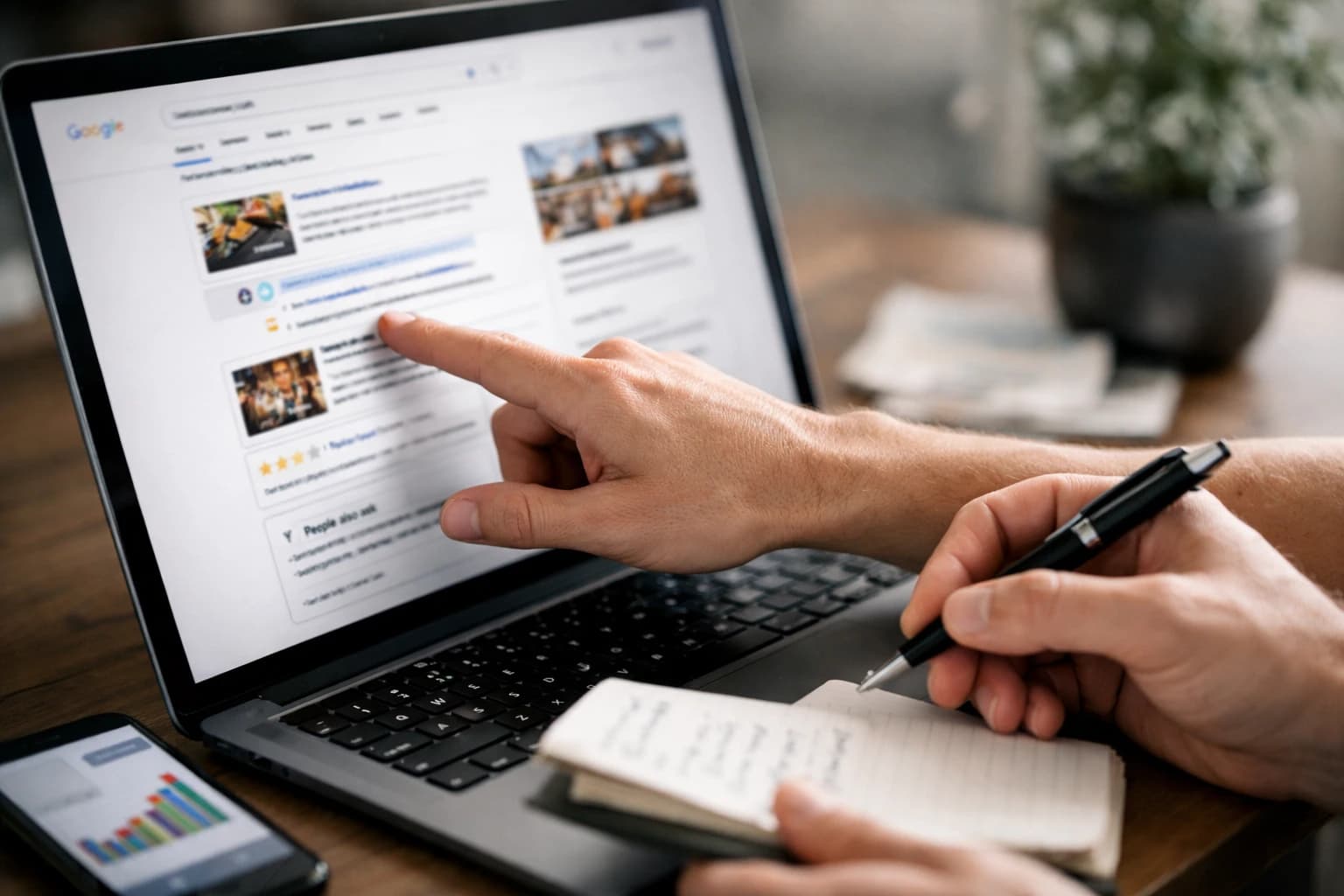
The rules of visibility have changed. With zero-click SERP optimization now central to growth, the winners capture attention directly on the results page and inside AI (Artificial Intelligence) answers—often before a visit ever happens. That might sound counterintuitive, but it is practical: you earn trust, shape demand, and expand your footprint where users already look.
Multiple industry studies estimate that 50 to 65 percent of queries resolve without a click. Instead of resisting, smart teams engineer their presence in rich results, answer boxes, carousels, and Google Overviews. Below are nine proven plays you can deploy today. Throughout, you will see where SEOPro AI supports each move with semantic guidance, schema scaffolding, internal linking blueprints, and automation that scales what works.
#1 Earn Featured Snippets with Precise Definitions, Lists, and Steps
What it is: Featured snippets are answer boxes that appear above organic listings, pulling a concise definition, list, table, or step sequence from your page. To claim them, structure an explicit, self-contained answer that directly follows the user’s wording, then support it with detail. Think of it as your elevator pitch to the algorithm—short, exact, and unambiguous.
Why it matters: Featured snippets deliver brand exposure with no scroll and can lead to higher branded searches later. They also inform AI (Artificial Intelligence) summaries and voice answers. Teams that standardize snippet-ready blocks often see steady increases in impressions and assisted conversions, even when clicks per query plateau. SEOPro AI’s AI blog writer and semantic content optimization checklists and playbooks turn target questions into crisp definitions, bulleted steps, and corroborating context in minutes.
Quick example: Target “What is canonicalization?” Begin with a 40 to 55-word answer: “Canonicalization is the process search engines use to select a preferred page when near-duplicate URLs exist.” Follow with a short table contrasting signals and misconfigurations, then add a numbered list for “How to set canonical tags.” Publish and monitor snippet appearance with SEOPro AI’s content performance tracking to detect ranking or Large Language Model (LLM) drift.
#2 Use People Also Ask to Scale Zero-Click SERP Optimization
What it is: People Also Ask boxes expand a topic through related questions revealed on interaction. You can map these questions, cluster them by intent, and answer each with brief sections on a primary page or across a hub. Aim for clear H2 or H3 headings that mirror the query and answers that fit within a few lines.
Why it matters: Each question is a doorway to additional screen time and entity reinforcement. When your content consistently answers adjacent questions, you send strong topical signals and increase your odds of winning multiple result types. SEOPro AI’s internal linking and topic clustering tools show which questions to combine, which to split into supporting articles, and how to thread anchor text for durable authority.
Quick example: For “best compost for houseplants,” list satellite queries like “Does compost replace potting soil?” and “How often to add compost indoors?” Add concise, citation-ready answers on the main guide, interlink a troubleshooting post, and include an on-page table of contents for jump links. Track new “People Also Ask” impressions as a leading indicator of breadth growth.
#3 Build In-Page Frequently Asked Questions Blocks and Add FAQ (Frequently Asked Questions) Schema
What it is: An in-page Frequently Asked Questions section provides short, canonical answers to common objections, definitions, and next steps. Marking it up with FAQ (Frequently Asked Questions) schema helps search systems understand the Q and A pairs, and in some cases can surface them as expandable results on the page.
Why it matters: Frequently Asked Questions reduce friction, seed terms users speak into voice search, and equip Large Language Model (LLM) summaries with authoritative phrasing. While Google has limited widespread FAQ (Frequently Asked Questions) display at times, high-quality, policy-aligned implementations still pay dividends in clarity, trust, and assistant responses. SEOPro AI’s schema guidance and playbooks generate compliant markup and craft answers that are succinct, non-promotional, and verifiable.
Quick example: For a “pricing” page, include 5 to 7 common questions such as “Is there an annual discount?” Each answer should be 25 to 50 words with a link to details. Use SEOPro AI to auto-generate the schema and to embed optional, transparent cues that increase the likelihood of accurate Large Language Model (LLM) citations of your brand in AI (Artificial Intelligence) responses.
#4 Capture How-To Intent with Step Lists and HowTo Markup

What it is: How-to content explains a process with a clear start, middle, and end. When structured as a titled sequence of steps and enhanced with HowTo schema, it can qualify for rich presentation such as step carousels and, in some contexts, visual enhancements on mobile.
Why it matters: Stepwise instructions align perfectly with answer extraction. You help users complete tasks quickly while your brand occupies prime real estate. Beyond the Search Engine Results Page (SERP), assistants and generative results often lift your step list verbatim, strengthening association with the task. SEOPro AI’s workflow templates convert procedures into step blocks, add estimated time and materials, and ensure consistency across a library of guides.
Quick example: “How to audit internal links” becomes: a 6-step numbered list, a small table listing tools and inputs, and HowTo schema referencing the steps. Link to deeper sections for “crawl,” “cluster mapping,” and “anchor optimization.” Use content performance monitoring in SEOPro AI to watch for step impressions and to refine headings that underperform.
#5 Strengthen Entity Signals and Knowledge Panels
What it is: Entities are the people, places, organizations, and concepts recognized by the Knowledge Graph. Your goal is to establish an “entity home,” assert key facts, and align corroboration across profiles and citations. On-site, use Organization or Person schema, a comprehensive “About” page, and “sameAs” links to authoritative profiles and registries.
Why it matters: Entity clarity helps Search Engine Results Page (SERP) systems, AI (Artificial Intelligence) Overviews, and Large Language Model (LLM) assistants attribute information to you accurately. The payoff is disproportionate: knowledge panels, brand refinements in suggestions, and higher inclusion rates in generative summaries. SEOPro AI’s schema markup guidance pinpoints missing attributes, suggests reference sources like Wikidata, and audits cross-profile consistency.
Quick example: For a software brand, create a single source-of-truth page with founding year, headquarters, product names, and leadership bios. Add Organization schema with “sameAs” links to your LinkedIn, Crunchbase, and GitHub. Pair this with press coverage and a media kit. Use SEOPro AI to monitor entity recognition changes and to trigger internal linking from relevant articles back to the entity home.
#6 Layer Schema for Google Overviews, Reviews, and Pros and Cons
What it is: Structured data expresses meaning with machine-readable specificity. Product, Service, Review, and Pros and Cons schema reinforce on-page claims and help systems compile side-by-side comparisons and summary cards. When layered with well-formed headings and tables, your content becomes a reliable building block for rich results and Google Overviews.
Why it matters: Search Engine Results Page (SERP) features increasingly pull from combinations of content patterns and schema. Pros and Cons snippets add balance. Review markup, when policy-compliant, can surface credibility signals and influence carousels. SEOPro AI recommends the correct schema per block, validates required and recommended properties, and flags risks like self-serving ratings on restricted page types.
Quick example: On a “tool comparison” page, include a neutral summary, a features table, and a short Pros and Cons list for each tool. Mirror these blocks with corresponding schema. The mapping below shows a simple alignment you can replicate:
| On-page element | Schema type | Rich result potential |
|---|---|---|
| Product name, description, price | Product + Offer | Product snippets, price in results, merchant carousels |
| Third-party review excerpt | Review + Author | Review highlights, rating display |
| Features comparison table | ItemList | Enhanced understanding for Overviews and list snippets |
| Pros and Cons bullets | Pros and Cons | Pros and Cons callouts in results |
| Organization identity block | Organization | Knowledge graph reinforcement |
#7 Win Video Carousels with Key Moments and Captions
What it is: Video results frequently occupy top-of-page placements. You can earn “Key Moments” by adding timestamps and descriptive labels in your video description and by supporting pages with Clip or SeekToAction structured data. Transcripts and captions help systems extract meaning and may be referenced in generative summaries.
Why it matters: Many users prefer to watch a 60-second segment that answers their question. Key Moments turn one video into several surfaceable answers. SEOPro AI’s content automation pipelines generate scripts aligned to target questions, produce matching blog transcripts via Content Management System (CMS) connectors, and keep video and article entities synchronized for maximum coverage.
Quick example: Publish “Technical Site Audit in 7 Checks” with timestamps for each check. Embed the video on a supporting article that repeats the headings and adds a checklist. Add Clip markup for each timestamped section and monitor carousel impressions and average watch segment time as leading indicators.
#8 Optimize for Local Pack, Map Pack, and ‘Near Me’ Moments
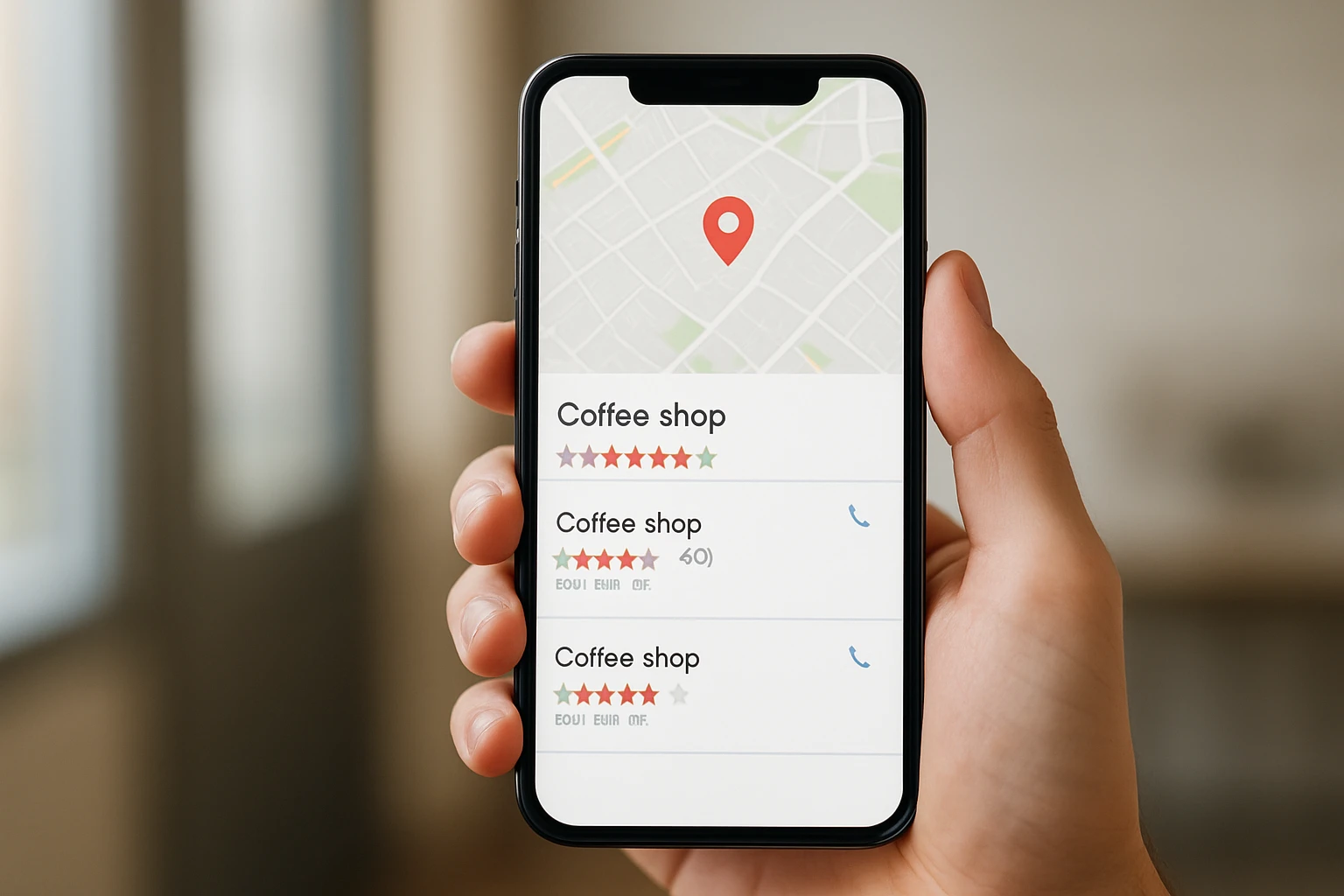
What it is: The Local Pack and Map results dominate queries with geographic intent. Your foundation is a complete and accurate Google Business Profile, consistent citations, localized landing pages, and prompt responses to reviews and Q and A.
Why it matters: For service, retail, and venue searches, calls, directions, and bookings happen straight from the result. Industry research has shown that up to 76 percent of nearby mobile searches lead to a visit within 24 hours. SEOPro AI supports local content at scale with location page templates, schema for LocalBusiness entities, and internal linking that funnels authority from national resources to city pages.
Quick example: For a multi-location clinic, publish a city page with operating hours, appointment actions, accepted insurance, and clinician bios. Add LocalBusiness and Physician schema, post weekly Google Business Profile updates, and answer questions publicly. Track direction requests, call button taps, and ranking stability for core service keywords in each geo.
#9 Engineer Sitelinks, Jump Links, and In-Result Navigation
What it is: Sitelinks expose key site sections directly beneath your primary listing, while jump links surface in-page anchors for quick navigation. You can influence both with clean information architecture, descriptive navigation labels, and consistent, anchor-linked tables of contents on long-form resources.
Why it matters: More real estate equals more mindshare. Jump links guide scanners to the exact section they need, which can lift engagement signals and improve how assistants summarize your guide. Pair this with an “experience-first” approach—clearly labeled sections, scannable lists, and precise headings that map to user questions.
Quick example: Launch an “Ultimate Guide to Site Migrations” with a 10-item table of contents linking to H2 anchors like “Pre-Launch QA” and “Redirect Mapping.” Use SEOPro AI’s AI-assisted internal linking strategies and implementation checklists to connect this guide to supporting articles and to encourage sitelink formation over time.
How to Choose the Right Option
Start with intent. Are users trying to learn, compare, act locally, or complete a task? Then assess your content inventory, technical readiness for schema, and your ability to maintain freshness. Finally, pick 2 to 3 complementary plays that reinforce one another, rather than spreading thin across all nine at once.
| Primary goal | Recommended plays | Time to impact | Key measurement |
|---|---|---|---|
| Own top-of-page answers | #1 Featured Snippets, #2 People Also Ask, #4 How-To | 2 to 6 weeks | Impressions, snippet win rate, assisted conversions |
| Be cited in AI (Artificial Intelligence) summaries | #5 Entities, #6 Schema layers, #1 Definitions | 4 to 12 weeks | Brand mentions in Overviews, knowledge panel stability |
| Grow local demand capture | #8 Local Pack, #9 Jump links, #3 Frequently Asked Questions | 2 to 8 weeks | Calls, direction taps, local ranking stability |
| Win multimedia real estate | #7 Video, #1 Steps and lists, #6 Pros and Cons | 3 to 10 weeks | Carousel impressions, watch time, rich result coverage |
SEOPro AI streamlines the decision process with prescriptive playbooks, semantic content optimization checklists, and automated audits. Connect once to your Content Management System (CMS), generate snippet-ready drafts, apply the correct schema, publish across platforms, and then watch performance dashboards that flag drift in ranking, internal linking, or Large Language Model (LLM) citations—so you can course-correct fast.
Conclusion
Zero-click visibility is not a threat but a stage for you to teach, reassure, and be remembered.
In the next 12 months, generative answers and entity-first ranking will reward brands that pair structured meaning with human clarity. Those who build playbooks now will compound gains with every query answered.
Which two or three plays will you run first to turn zero-click SERP optimization into a repeatable, measurable advantage?
Advance Zero-Click Wins with SEOPro AI
Use Semantic content optimization checklists and playbooks to scale traffic, win rich features and AI mentions, streamline creation and publishing, strengthen schema and clusters, and monitor drift across channels.
Get the Playbooks