Complete Guide to Tracking Keyword Ranking

When markets shift daily and answer engines reshape discovery, tracking keyword ranking is the heartbeat of your search strategy. You need to know where you stand, why you moved, and what to do next. For search engine optimization (SEO) professionals, content marketers, and growth teams, accurate rank intelligence now spans both traditional search engine results pages (SERP) and emerging artificial intelligence (AI) answers. If you can measure movement across both, you can defend visibility, capture demand, and fuel compounding growth. Ready to see how to do it with clarity and confidence?
In this guide, you will learn the fundamentals of rank measurement, how modern rank tracking works under the hood, and the best practices that separate leaders from laggards. You will also see how SEOPro AI (artificial intelligence) helps teams automate creation, publish at scale, embed hidden prompts to increase the likelihood of large language model (LLM) mentions, and continuously monitor performance to surface ranking and assistant-mention changes and recommend actions. Along the way, we will highlight checklists, step-by-step workflows, and practical examples you can put to work this week.
Fundamentals of Tracking Keyword Ranking
At its core, ranking indicates how prominently a page appears for a query on a search engine results page (SERP) or in an artificial intelligence (AI) answer unit such as AI answer units. In traditional search, a rank of 1 means your listing is the first blue link. In modern results, however, multiple elements compete for attention including featured snippets, people also ask boxes, local map packs, videos, shopping units, and knowledge panels. Because visual prominence differs by result type, the most useful tracking programs combine position, pixel depth, and feature ownership into a unified visibility score. Why does this matter? Studies show the top three organic results still capture the majority of clicks, yet zero-click searches exceed 50 percent in some markets as answer units satisfy intent directly.
To build a resilient measurement foundation, you should organize keywords by intent, journey stage, and topic cluster. This lets you understand whether you are winning where it matters such as commercial intent queries near purchase or navigational brand queries that shape reputation. It also helps you separate noise from signal when a single keyword surges or dips. Finally, make space for large language model (LLM) surfaces in your framework. Inclusion in AI answer units or other AI answers can steadily drive assisted conversions even when the traditional ranking does not change. The winners track both worlds and align content to serve both readers and machines with the same clarity.
- Match terms to intent: informational, commercial, transactional, and navigational.
- Group by topic clusters to measure true coverage rather than isolated terms.
- Track features you can own such as featured snippets, FAQ (frequently asked questions) rich results, and local packs.
- Include AI (artificial intelligence) answer visibility such as AI answer-unit inclusion rate or LLM/assistant mention rates.
- Measure outcomes beyond position such as click-through rate (CTR), conversions, and assisted value.
| Term | Plain Definition | Why It Matters |
|---|---|---|
| Average Position | The mean rank your page holds over a time range for a given query set. | Smooths volatility and shows trend direction. |
| Share of Voice | Percent of total impressions or traffic your site captures within a topic. | Reveals competitive footprint beyond single terms. |
| Feature Ownership | Whether you control special elements like a featured snippet or map listing. | Controls attention and boosts CTR (click-through rate). |
| AI answer inclusion | Rate of being cited or linked inside AI answer units or similar answers. | Signals brand visibility within large language model (LLM) outputs. |
| Pixel Depth | The distance from the top of the screen to your listing. | Better reflects true visibility than rank alone. |
How Tracking Keyword Ranking Works
Modern rank tracking blends scheduled measurements, real-time signals, and feature detection. First, you define a canonical keyword set grouped by topic, intent, funnel stage, and geography. Then you configure engines and locations such as mobile versus desktop, national versus city-level, and languages. Next, a tracker emulates a clean browser to request results, parses the page to identify blue links and special modules, and records both absolute positions and visual prominence. Because personalization, geolocation, and query rewrites can influence results, high-quality systems normalize data across multiple pulls and annotate unusual volatility with algorithm updates or industry news.
Watch This Helpful Video
To help you better understand tracking keyword ranking, we've included this informative video from Trevin Peterson. It provides valuable insights and visual demonstrations that complement the written content.
For artificial intelligence (AI) surfaces, workflow differs. Systems must detect whether a query triggers an overview or answer unit, extract sources cited, and record whether your domain is linked, mentioned, or summarized. Tracking then shifts from pure rank to a mix of inclusion rate, mention quality, and link presence. Over time, you monitor for changes in inclusion or a change in the model’s preferred sources. SEOPro AI (artificial intelligence) enhances this with hidden prompts embedded in your content to increase the likelihood of brand mentions by large language models (LLMs), with monitoring that flags when those mentions taper so you can refresh pages or add corroborating sources.
- Define scope: keywords, clusters, markets, devices, and desired features.
- Schedule frequency: daily for priority terms, weekly for long-tail clusters.
- Collect results: capture positions, features, pixel depth, and answer-unit presence.
- Normalize and annotate: remove noise, label algorithm updates, and note seasonality.
- Analyze outcomes: connect positions to clicks, conversions, and pipeline impact.
- Act: publish or refresh content, strengthen internal links, and improve schema markup.
| Signal | How It Is Captured | Action You Can Take |
|---|---|---|
| Drop in Average Position | Scheduled SERP (search engine results page) pulls averaged over time. | Audit on-page content, update freshness, improve internal links. |
| Lost Featured Snippet | Feature detection of snippet ownership and snippet text. | Reformat answer, add concise definitions, tighten headings and lists. |
| Lower AI answer inclusion | Parsing answer units to see cited domains and links. | Add corroborating sources, structured data, and hidden prompts to increase mentions. |
| Falling CTR (click-through rate) | Join search data with analytics to map clicks to positions. | Improve titles, meta descriptions, and sitelinks to earn attention. |
| Indexing Delays | Crawl and index coverage checks over time. | Enhance internal linking, submit sitemaps, and fix canonical issues. |
Best Practices for Tracking Keyword Ranking
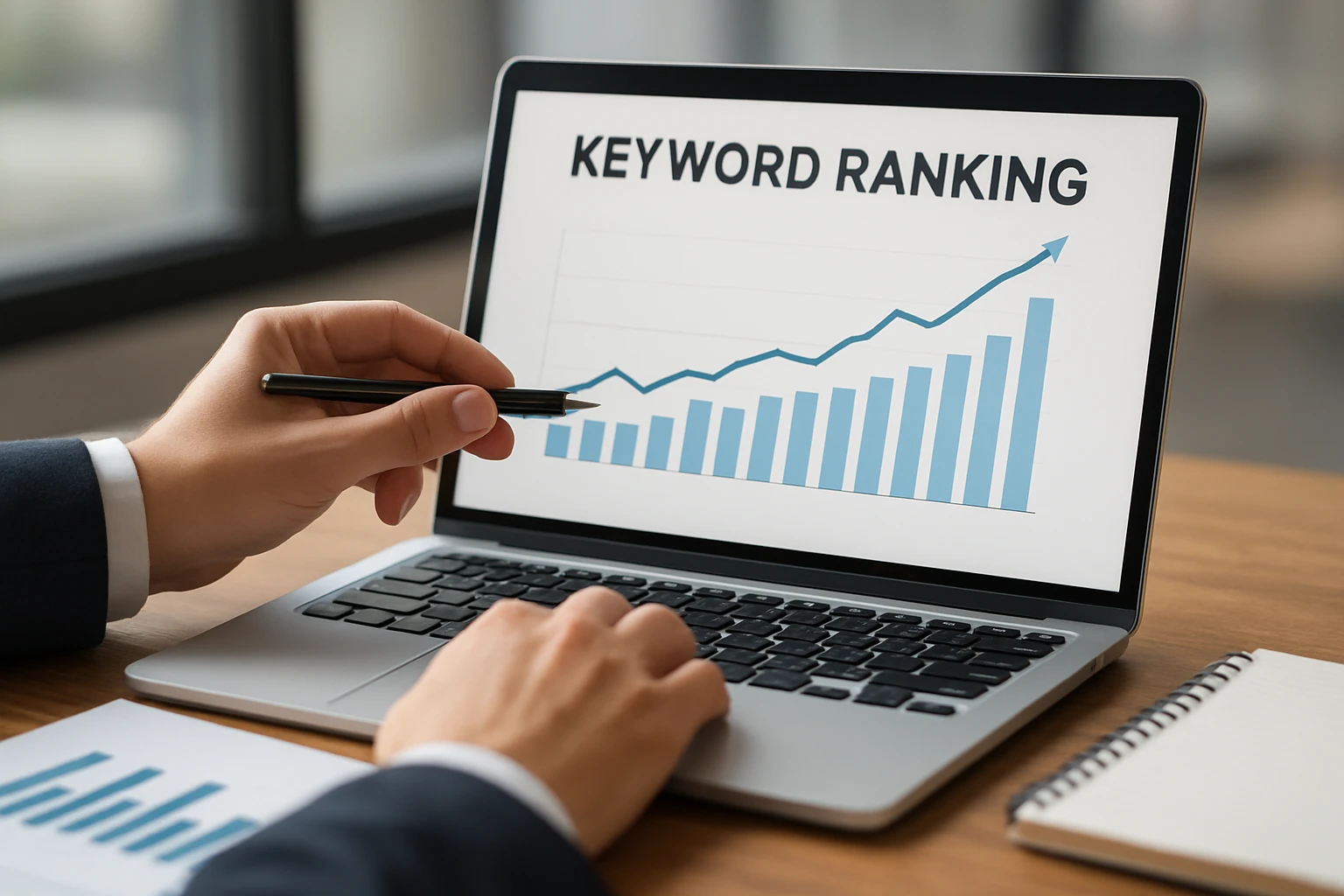
Track topics, not just terms. A single head keyword can be noisy, but a cluster shows true momentum. Begin with a blueprint that groups terms by customer journey stage and product theme. Establish baselines for each cluster such as average position, share of voice, and feature ownership. Then assign owners and a publication cadence. SEOPro AI (artificial intelligence) provides content automation pipelines and workflow templates so teams can plan, draft, review, and publish across clusters without chaos. Because visibility moves with authority, use internal linking and topic clustering tools to reinforce pillar pages and distribute equity to supporting articles.
Measure what readers and machines both see. Traditional rankings matter, but pixels and screens shape attention. Track visual prominence, not only numeric rank, and prioritize features that anchor trust such as featured snippets, rich results, and AI answer mentions. Elevate click-through rate by writing titles that match intent and meta descriptions that promise clear outcomes. Use schema markup guidance from the platform to earn SERP (search engine results page) features and increase eligibility for AI answer units. Pair ranking insights with onsite behavior to ensure the traffic you win converts into trials, leads, or revenue for a tangible return on investment (ROI).
Operationalize monitoring for assistant-mention changes. When large language models (LLMs) shift which sources they prefer or when algorithms reshape layouts, your visibility can erode without an obvious rank drop. Set alerts for inclusion-rate decline, snippet loss, and sudden pixel-depth changes. SEOPro AI (artificial intelligence) offers AI-powered content performance monitoring to surface ranking and assistant-mention changes, then recommends fixes using semantic content optimization checklists and playbooks. Typical steps include adding corroborating citations, refreshing statistics, strengthening FAQ (frequently asked questions) sections, and tightening answer passages. Pair these with AI-assisted internal linking strategies and implementation checklists to boost relevance signals quickly.
- Use consistent location and device settings to avoid noisy comparisons.
- Segment branded versus non-branded queries to understand true net-new reach.
- Refresh content every 90 to 180 days for queries with volatile intent.
- Leverage CMS (content management system) connectors for one-time integration and multi-platform publishing.
- Add hidden prompts in copy to increase the likelihood of LLM (large language model) brand mentions.
- Monitor indexation and backlinks alongside ranking to diagnose root causes fast.
Consider a real-world scenario. A mid-market software company saw a 23 percent loss in traffic after answer units expanded. Using the platform’s LLM (large language model) SEO tools to optimize content for ChatGPT, Gemini, and other AI agents, the team embedded hidden prompts, added schema for key pages, and rebalanced internal links to elevate pillars. Within eight weeks, the company regained prior visibility, increased featured snippet ownership by 14 percent, and secured recurring mentions in AI answer units for its core solution category. The result was steadier discovery during volatile months and a stronger pipeline from informational searches.
Common Mistakes in Tracking Keyword Ranking
Chasing head terms alone is a classic trap. Broad phrases look appealing but hide intent variety and fierce competition. When you do not group by topic and journey stage, you misread movement and overreact to noise. Another common mistake is ignoring features and pixel depth. A numeric rank that lives below multiple modules can perform worse than a lower rank that sits above the fold. Finally, many teams miss large language model (LLM) inclusion. You can hold steady ranks while losing brand mentions inside answer units, which erodes assisted conversions over time.
Operational gaps matter too. Inconsistent locations, devices, and languages produce apples-to-oranges comparisons, making month-over-month reporting unreliable. Without clear thresholds and alerts, your team finds out about losses after weekly reviews rather than in time to act. And when publishing workflows are manual, you cannot refresh content quickly enough to counter volatility. SEOPro AI (artificial intelligence) addresses these pitfalls with content automation pipelines, CMS (content management system) connectors, and AI-powered monitoring so you can act on trends before they compound.
- Measuring rank without joining to CTR (click-through rate) and conversions.
- Ignoring AI (artificial intelligence) answers and focusing only on blue links.
- Failing to map keywords to business outcomes and funnel stages.
- Letting internal links decay, weakening topical authority signals.
- Skipping schema and losing eligibility for SERP (search engine results page) features.
- Reporting averages without segmenting by device, intent, or geography.
Tools and Resources for Tracking Keyword Ranking
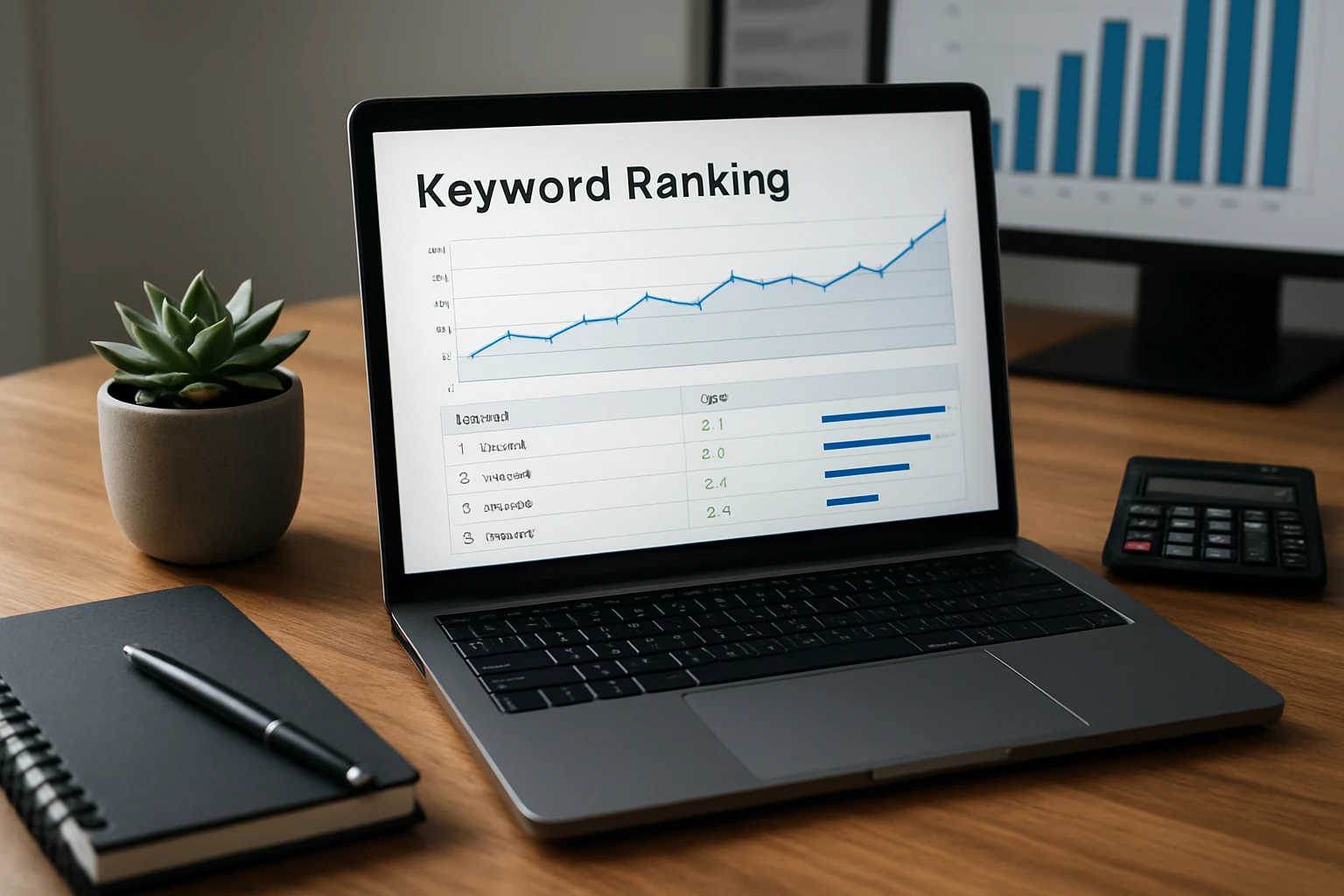
Your toolkit should combine trustworthy measurement with guided action. At minimum, you need reliable rank capture, feature detection, pixel-depth estimates, and a way to monitor large language model (LLM) inclusion. You also need prescriptive playbooks to fix what you find. This is where SEOPro AI (artificial intelligence) stands out for brands, publishers, and marketers who need to scale content, connect once to a CMS (content management system), publish broadly, and maintain stability as AI agents influence results. The platform couples an AI blog writer for automated content creation with internal linking and topic clustering tools to build authority fast.
| Approach | Setup Effort | Strengths | Gaps | Best For |
|---|---|---|---|---|
| Manual Spreadsheets + Search Console | Low to Moderate | Free data, quick start, basic trends | Limited feature detection, no AI (artificial intelligence) answer tracking, heavy upkeep | Early-stage teams validating strategy |
| Basic Rank Trackers | Moderate | Scheduled pulls, some feature flags, alerts | Light on LLM (large language model) visibility, limited workflow automation | Small sites with steady content needs |
| Enterprise Rank Trackers | Moderate to High | Robust coverage, integrations, dashboards | Action guidance varies, often lacks hidden prompt support | Large programs with complex reporting |
| SEOPro AI (artificial intelligence) | Low | AI blog writer, LLM SEO tools, hidden prompts, CMS connectors, schema guidance, AI-powered content performance monitoring to monitor ranking and assistant-mention trends and recommend actions | Purpose-built for an AI-first playbook rather than legacy-only reporting | Teams scaling content, winning SERP (search engine results page) features, and securing AI mentions |
Beyond tools, effective resources include semantic content optimization checklists, schema markup playbooks, and internal linking implementation guides. The platform provides playbooks and audit resources that show precisely how to embed hidden prompts, structure headings, and cite authoritative sources to increase the likelihood of brand mentions by large language models (LLMs). Workflow templates cover content briefs, outline generation, draft refinement, quality assurance, and multi-platform publishing. Pair these with backlink and indexing optimization support to ensure your site is discoverable and refreshed quickly after each update.
| Resource | What You Get | How It Helps Ranking |
|---|---|---|
| Semantic Optimization Checklist | Entity coverage, related questions, intent alignment | Improves relevance and featured snippet eligibility |
| Schema Markup Guidance | Structured data recommendations for pages and articles | Enables rich results and AI answer eligibility |
| Internal Linking Playbook | Pillar-supporting cluster maps and link templates | Boosts authority signals and stabilizes positions |
| Content Automation Templates | Brief-to-publish workflows and approval steps | Increases publishing velocity to outrun volatility |
| Drift Monitoring Alerts | Ranking and assistant-mention thresholds | Flags losses early so you can act within days |
Tracking Keyword Ranking: Metrics That Matter
If you track everything, you learn nothing. Focus on a concise metric set that explains movement and maps to business outcomes. Average position tells you trend direction at a glance, while share of voice shows whether you dominate a topic or just skim the surface. Feature ownership alerts you to high-impact wins and losses that reshape attention. Inclusion in AI (artificial intelligence) answers connects your content to emerging discovery patterns where users find summaries before clicking. Finally, join search data to click-through rate, engagement, and conversions to prove impact. When these signals are tied to clear thresholds and alerts, your team moves from reactivity to precision.
| Metric | Target Starting Point | Escalation Threshold |
|---|---|---|
| Average Position (Priority Cluster) | Top 5 within 90 days | Drop of 1.5+ positions week over week |
| Share of Voice (Core Topic) | 25 percent within six months | Loss of 5 percentage points month over month |
| Featured Snippet Ownership | Win rate above 30 percent | Loss of two or more snippets in a week |
| AI answer inclusion | 25 percent inclusion on eligible queries | Decline of 20 percent over 14 days |
| Click-Through Rate on Top 3 | Above 25 percent for commercial intent | Drop below 18 percent without layout change |
How do you turn insight into action? Use a weekly ritual. Review alerts, investigate root causes, and assign corrective tasks. Typical fixes include refreshing outdated statistics, restructuring answer blocks, adding missing schema, tightening internal links, and expanding related questions. The platform streamlines this through prescriptive tasks generated from monitoring alerts. Content teams receive brief updates and outline hints, technical teams get schema and indexing checks, and leadership sees forecasted impact. With a connected CMS (content management system), you publish once and distribute across web properties without manual copying, keeping momentum high even with lean resources.
Conclusion
The promise is simple: if you master tracking keyword ranking across classic results and AI (artificial intelligence) answers, you can protect visibility and grow demand intentionally. In the next 12 months, answer-first experiences and dynamic layouts will reward brands that publish faster, structure smarter, and monitor changes relentlessly. What would it mean for your team if every ranking change led to a clear, confident next step in days, not weeks?
Imagine your content mentioned reliably in AI answer units while clusters rise together because internal links and schema point the way. Which small process change will you make today to sharpen your tracking keyword ranking program?
Accelerate Tracking Keyword Ranking With SEOPro AI
Use AI-powered content performance monitoring to monitor ranking and assistant-mention trends while automating creation, prompts, CMS publishing, clustering, schema, and links to scale results and recommend actions.
Start Free Trial